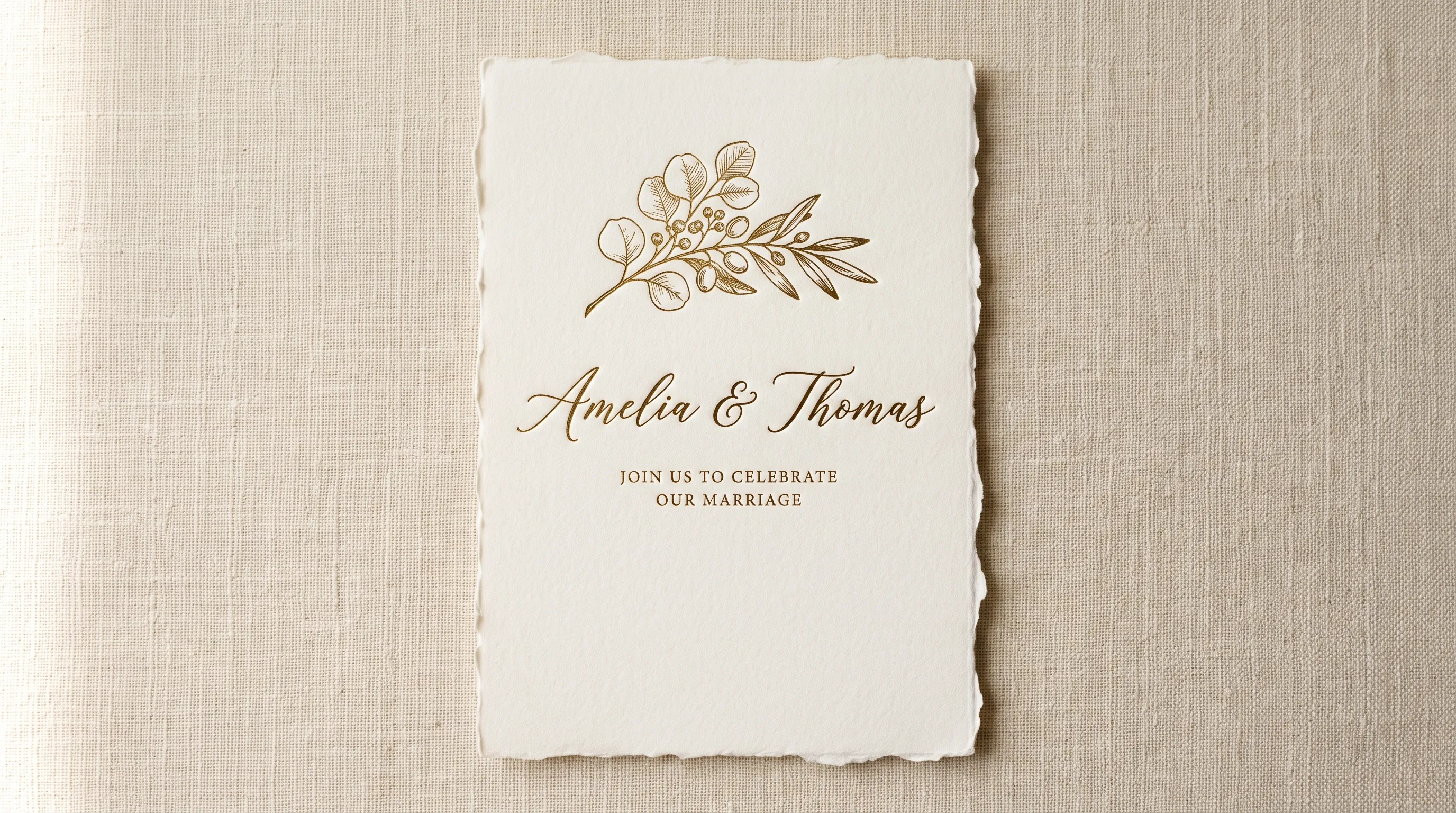
Hot foil
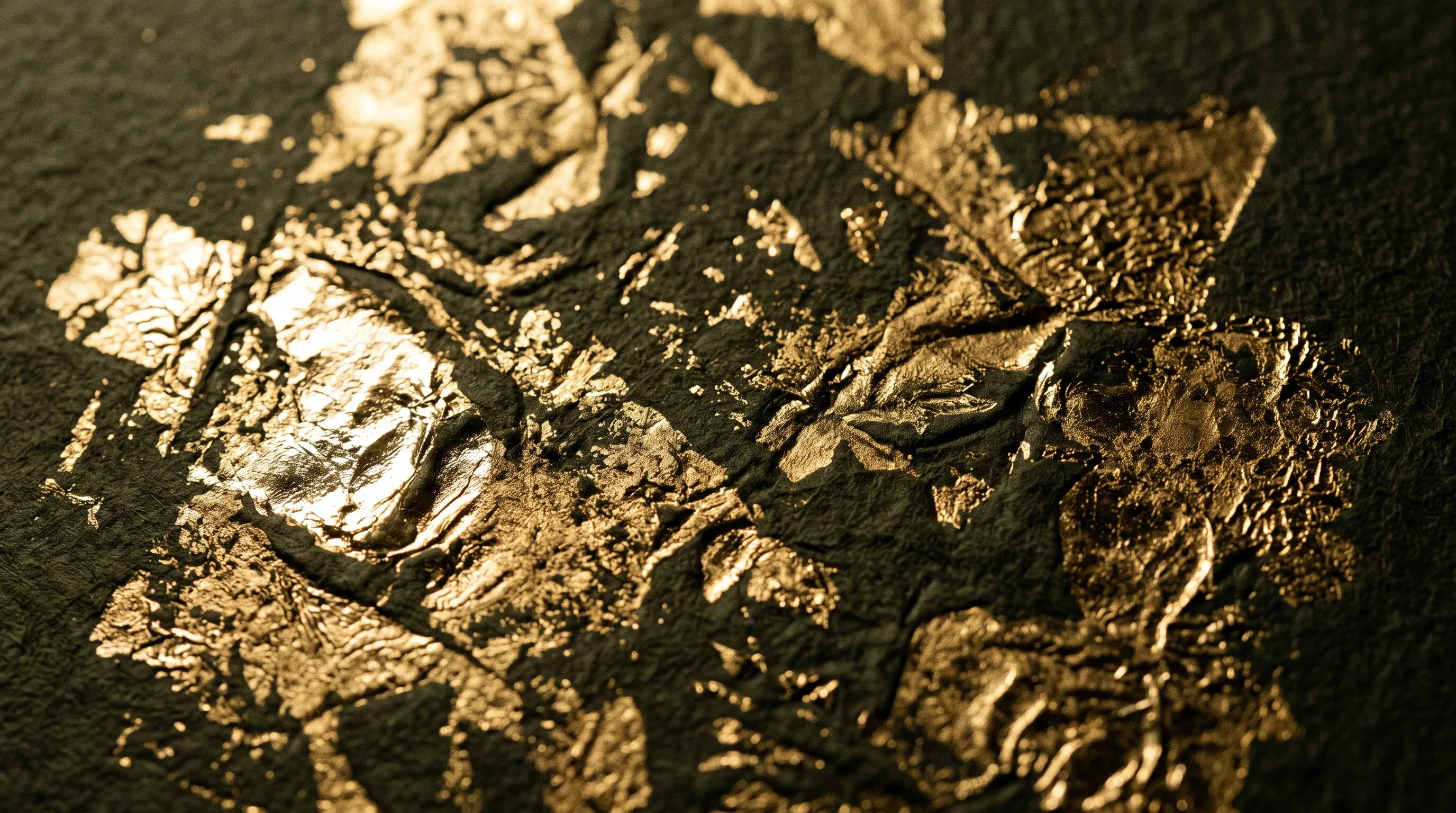
Hot foil printing presses a metallic foil into paper using a heated metal plate and real pressure. The foil bonds only where the plate touches, leaving a mirror-bright mark sitting slightly below the surface of the sheet.
Concept design by point28. Created unprompted as a portfolio piece. Not affiliated with, commissioned by or endorsed by this business.
Our craft
Three techniques, one press, and no automatic feed. Everything we make is printed a sheet at a time.
Almost all wedding stationery sold in the UK is printed digitally. It is quick, it is cheap, and the result sits on top of the paper. Everything we do puts something into the paper instead, using a metal plate and real pressure, which is why our invitations feel different before anyone has read a word of them.
The trade is time. A hand-fed press prints one sheet per pull, and each finish needs its own plate and its own pass. A hundred invitations with foil and a blind deboss is two hundred separate pulls. That is the whole reason it costs what it costs, and the whole reason it looks the way it looks.
Foil and blind work are done on a hand-operated foiling press built in the 1980s. It has no automatic feed and no digital controls: the heat comes up, the plate goes in, and Vee works through the stack a sheet at a time.
Letterpress is done on a Gem No1 platen press, which joined the studio in 2023. Ink disc at the top, rollers, a flywheel and two wooden feed boards worn smooth. Also one sheet per pull.
Hot foil printing presses a metallic foil into paper using a heated metal plate and real pressure. The foil bonds only where the plate touches, leaving a mirror-bright mark sitting slightly below the surface of the sheet.
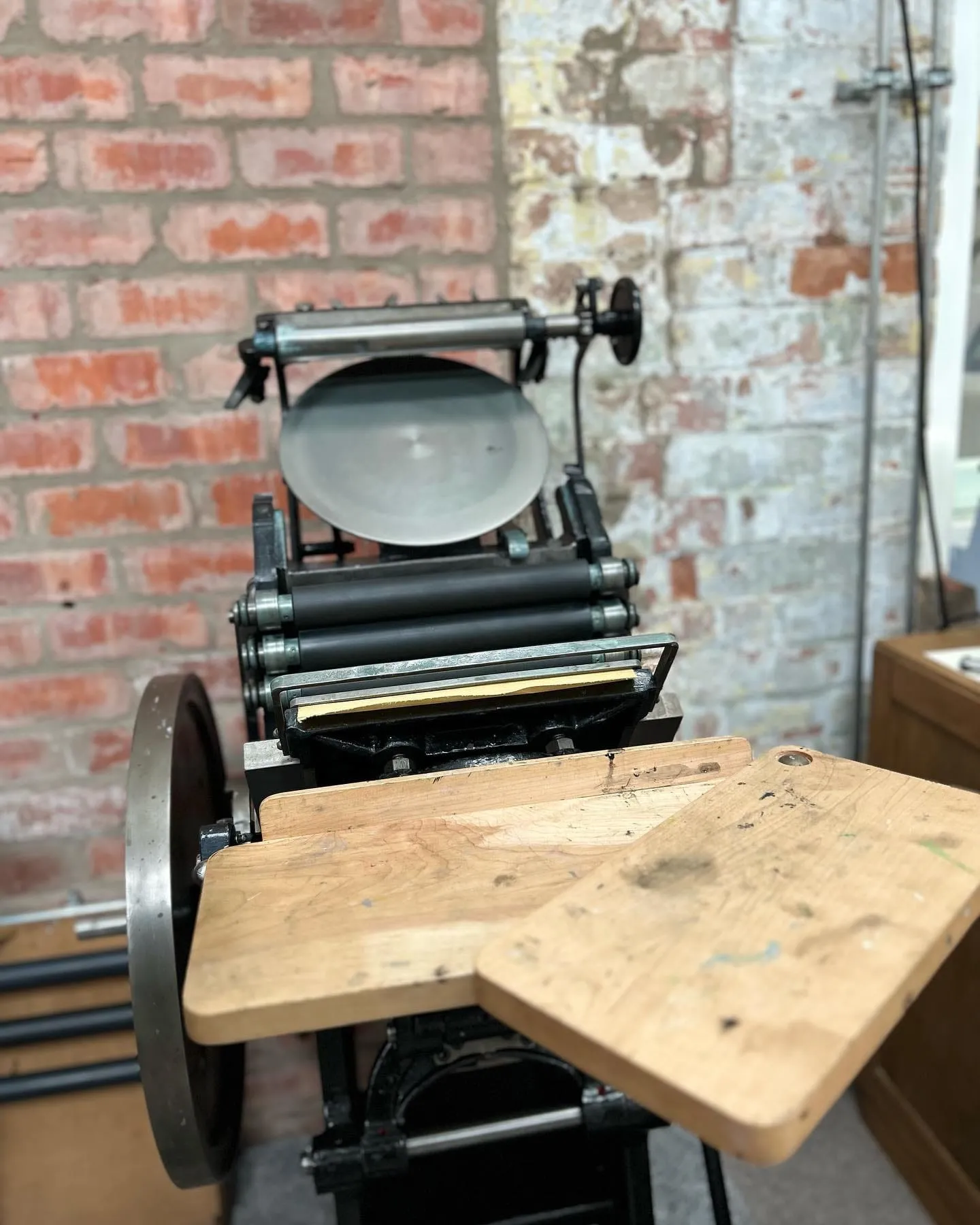
Letterpress is printing by pressing an inked plate into paper hard enough to leave a physical impression.
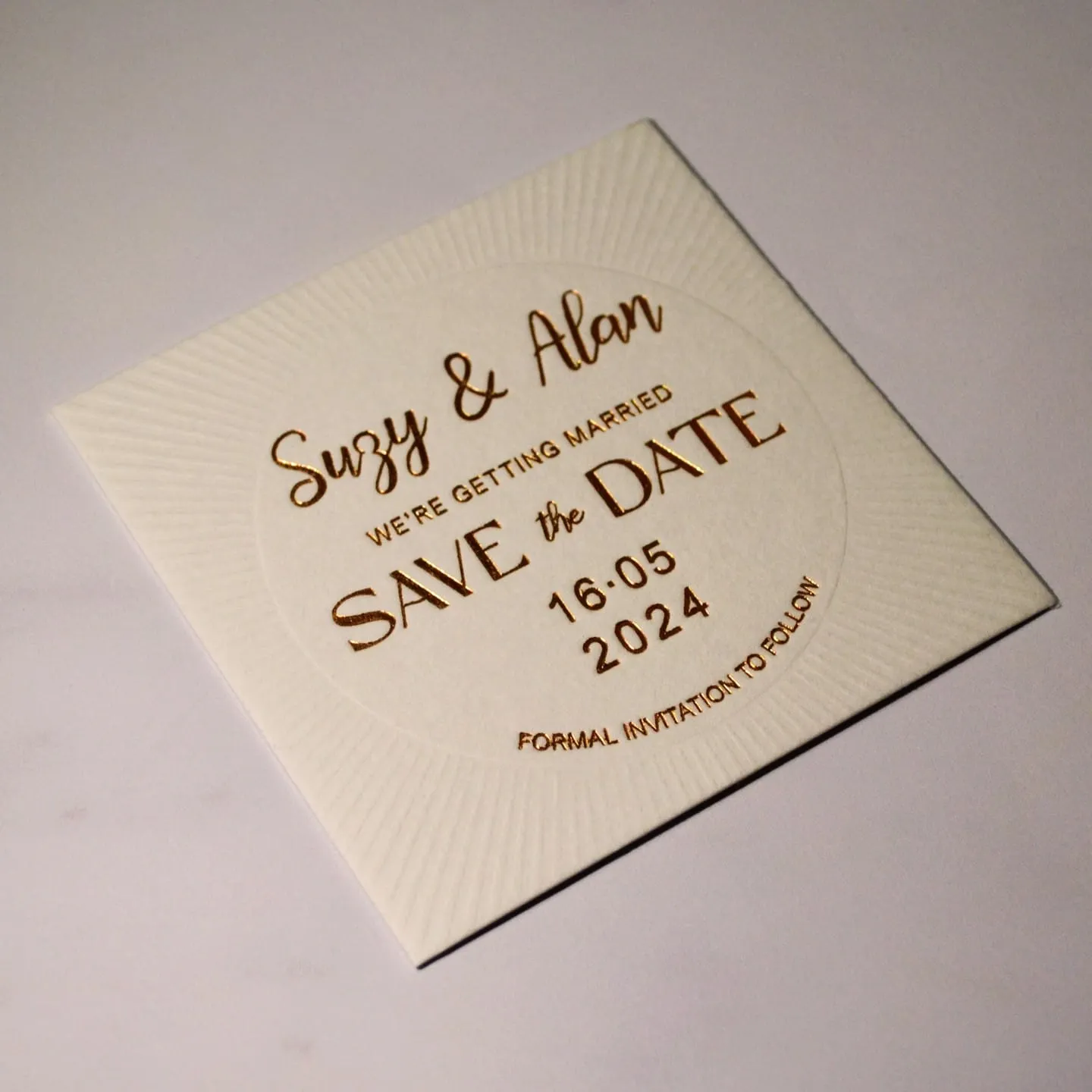
Blind embossing raises an area of paper; debossing presses it down.
We print mostly on uncoated cotton stocks between 300 and 600gsm, sometimes two sheets duplexed together where a design needs real depth. Cotton has no wood fibre in it, so it is softer than a standard board and takes an impression far better.
Paper is usually the smallest line on a quote and the biggest difference in the hand. If there is one place to spend a little more, it is here.
Foil, letterpress and blind deboss all photograph badly, which is the honest problem with buying stationery online. Ask us for samples and judge them in your hand.